



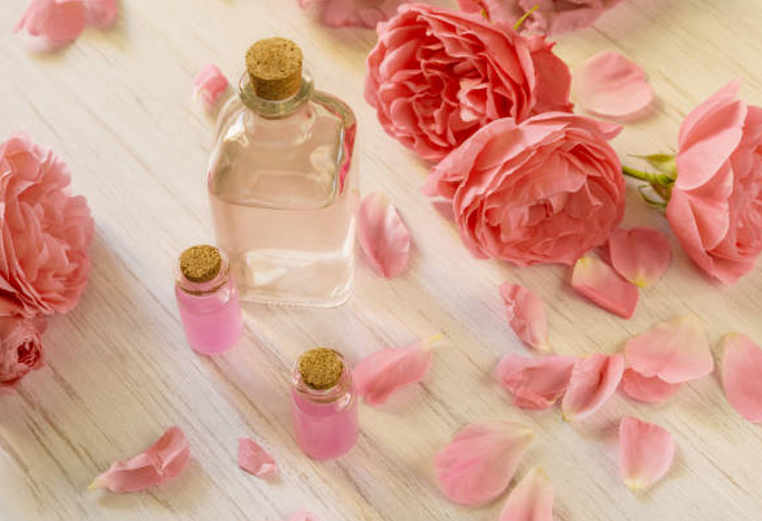
Knowing the Differences between Natural and Synthetic Fragrances
When it comes to personal care and beauty, fragrance is a potent weapon that may evoke feelings, create memories, and improve our whole experience. However, when it comes to choosing a perfume, one of the most major disagreements is between natural and synthetic fragrances. Every one of them has special qualities, advantages, and disadvantages. Let us examine the distinctions so that you may make a well-informed decision.
Natural Fragrances: What Are They?
Natural sources, such as flowers, fruits, leaves, and essential oils, are the source of natural smells. These fragrances are frequently praised for their sincerity and purity. Typical instances of natural scents are:
Essential Oils: Commonly used essential oils include lavender, eucalyptus, and bergamot. These oils are extracted from plants using techniques like steam distillation or cold pressing.
Resins and Balsams: Rich, comforting fragrances can be produced by substances derived from tree sap, such as balsam and incense.
Animal-derived substances: Animal musk and ambergris, a material discovered in sperm whale intestines, are two examples of substances present in some natural perfumes (though these are less widely employed today due to ethical issues).
Advantages of Organic Fragrances
Less Synthetic Chemicals: Natural scents are often free of synthetic chemicals, which makes them a better option for people who have allergies or sensitive skin.
Environmental Impact: Natural scents might have a lower environmental impact because they are sourced sustainably.
Benefits of Aromatherapy: Natural fragrances frequently have healing qualities that enhance wellbeing when used in aromatherapy.
Natural fragrances' drawbacks
Longevity: Natural scents may need to be reapplied more frequently than their synthetic counterparts because they may not linger as long.
Consistency: It is more difficult to achieve a consistent smell because the natural sourcing procedure can cause variations in the aroma character.
Synthetic Fragrances: What Are They?
In contrast, artificial chemical molecules are used to make synthetic perfumes. These perfumes are made to either replicate real-world smells or produce wholly original smell sensations. Typical artificial components consist of:
Phthalates: Additives that prolong the scent life of perfumes.
Aldehydes: Offer unique scents and are frequently utilized to impart freshness to perfumes.
Ambroxan: A warm, smoky note offered by a synthetic form of ambergris.
Benefits of Synthetic Fragrances:
Longevity: Synthetic perfumes typically remain longer on the skin, requiring fewer applications throughout the day.
Synthetic perfumes provide a constant aroma profile due to their production in controlled circumstances.
Variety: Because of the chemical makeup, a wider range of unique and inventive scents can be created than with natural elements alone.
Drawbacks of Synthetic Fragrances
Potential Irritants: Some synthetic substances might cause skin irritation or allergic responses, particularly in sensitive people.
Environmental Concerns: The use of toxic chemicals and procedures in the creation of synthetic perfumes raises problems about sustainability.
Making an Informed Choice.
Ultimately, your personal preferences and values will determine whether you choose natural or synthetic perfumes. Here are some guidelines to help you make your decision:
Know Your Skin: If you have sensitive skin or a history of allergies, you may select natural fragrances to reduce the likelihood of adverse responses.
Consider Your Values: If environmental sustainability is important to you, search for products that prioritize ethical sourcing and environmentally beneficial processes, regardless of whether they utilize natural or synthetic components.
Test before Investing: Regardless of the type, always test perfumes on your skin to determine how they interact with your body's chemistry.
Conclusion
Both natural and synthetic perfumes have distinct advantages and disadvantages. Understanding these distinctions can enable you to make a decision that is consistent with your lifestyle, values, and preferences. Whether you prefer the authenticity of natural aromas or the durability of synthetic ones, the world of fragrance provides limitless opportunities to discover and enjoy. Happy scenting!